Quanto was being built as a digital banking product for Paraguay. When I joined, the product was already in progress but it lacked structure.
There was no clear direction, the scope kept growing, and the work being done didn't translate into real progress.
The issue wasn't the interface itself.
It was the absence of a clear foundation to build on.
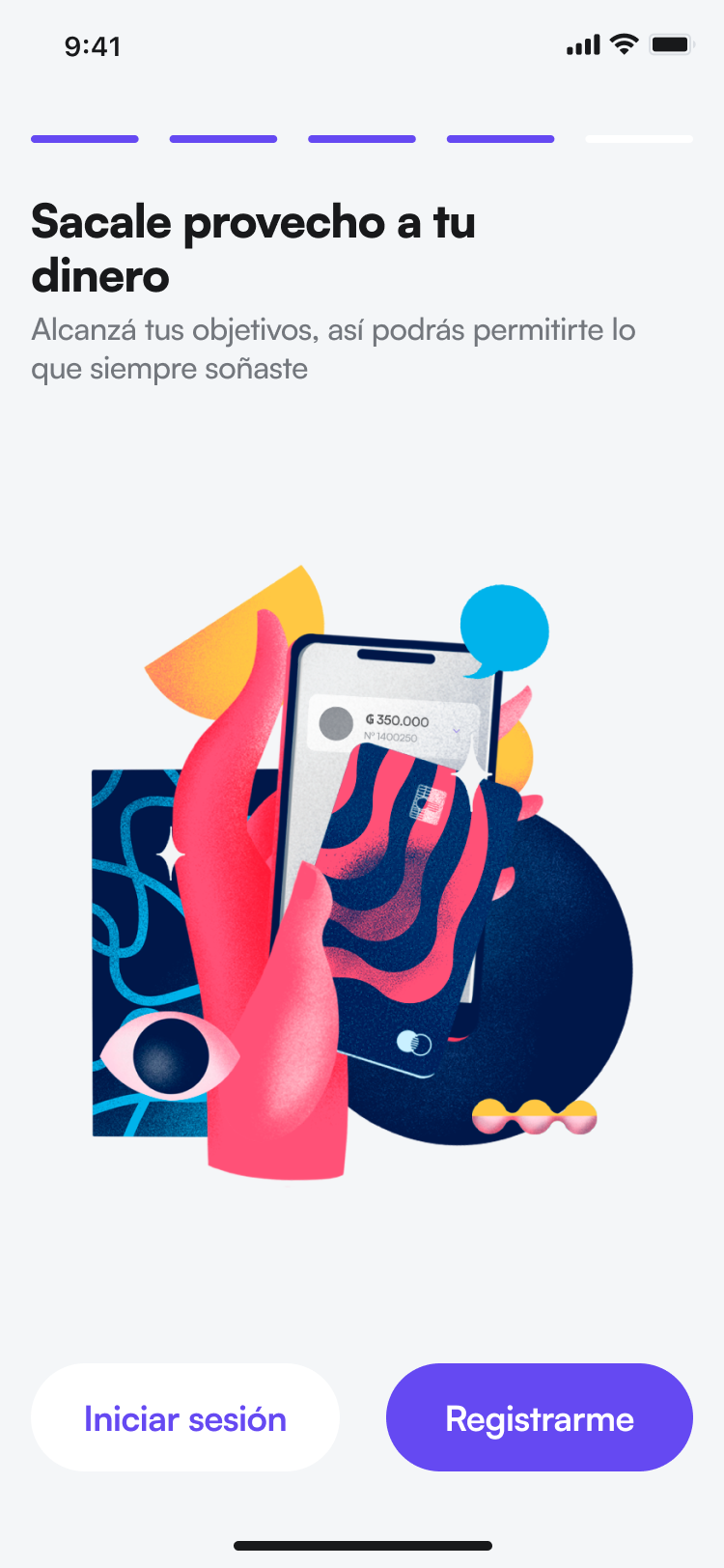
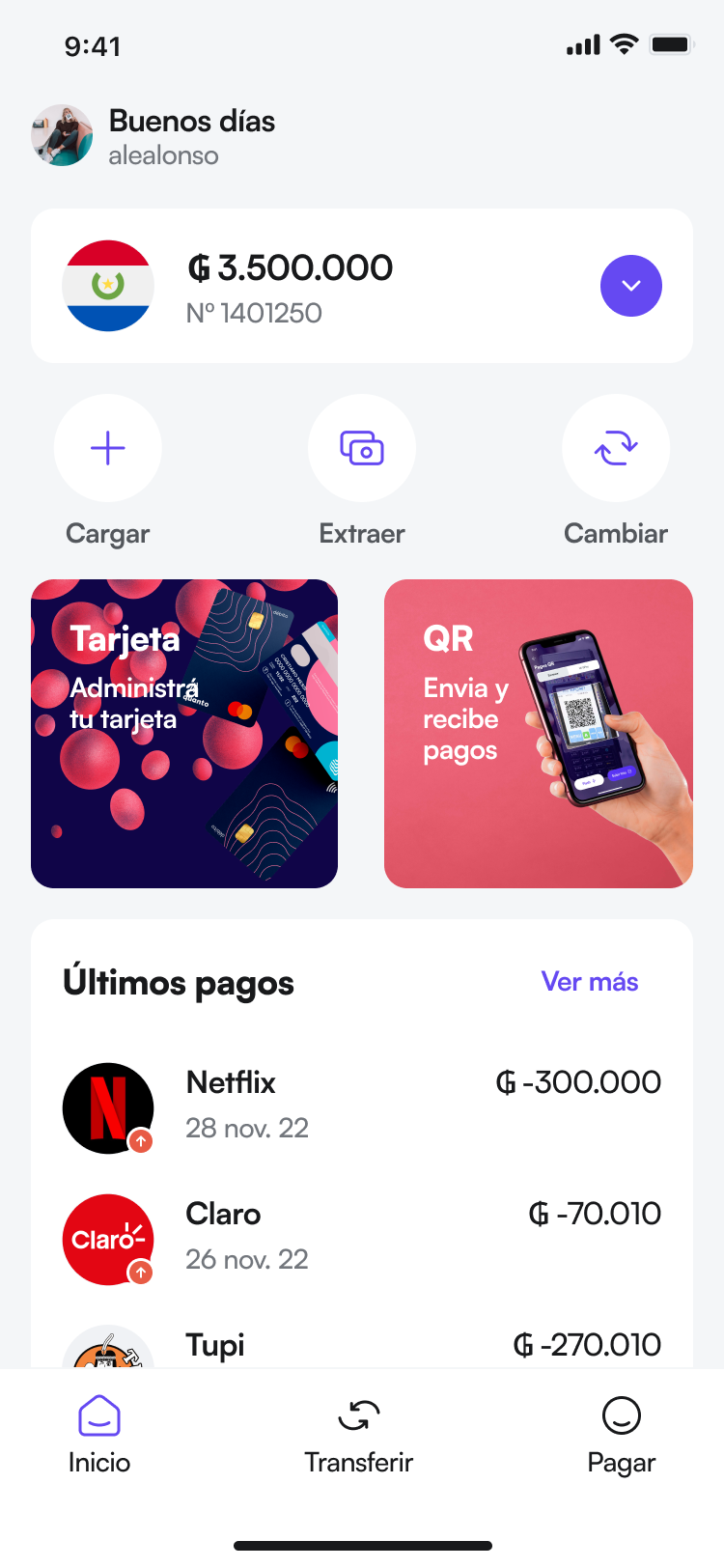
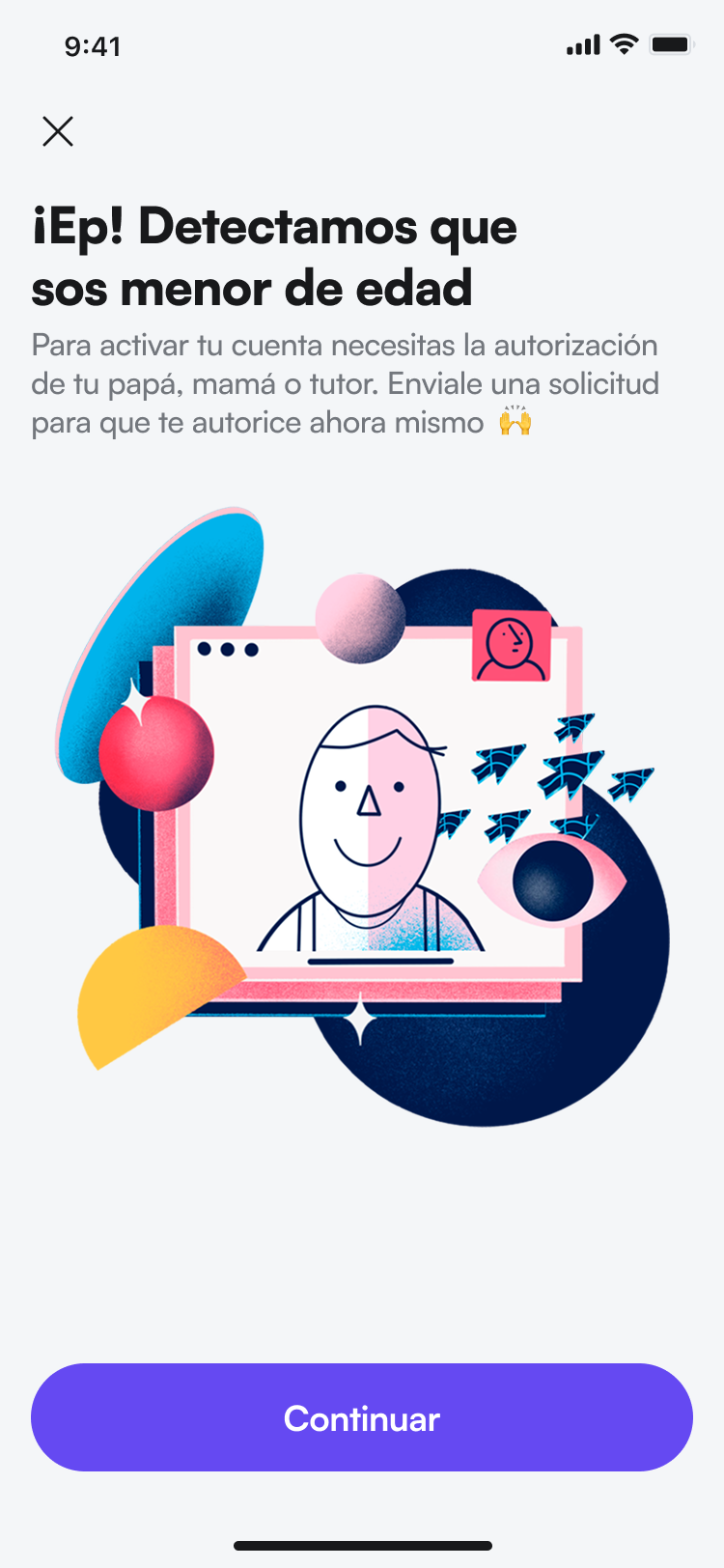
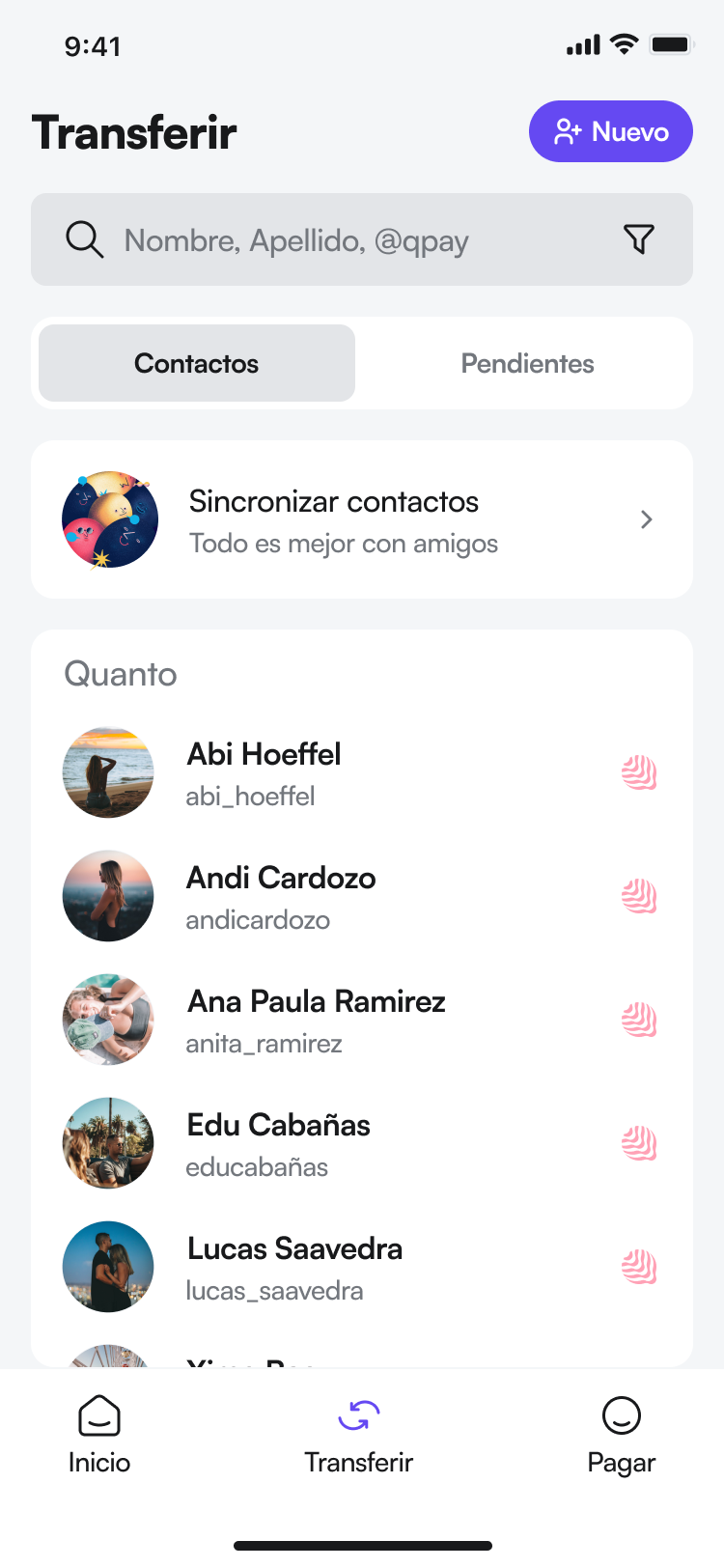
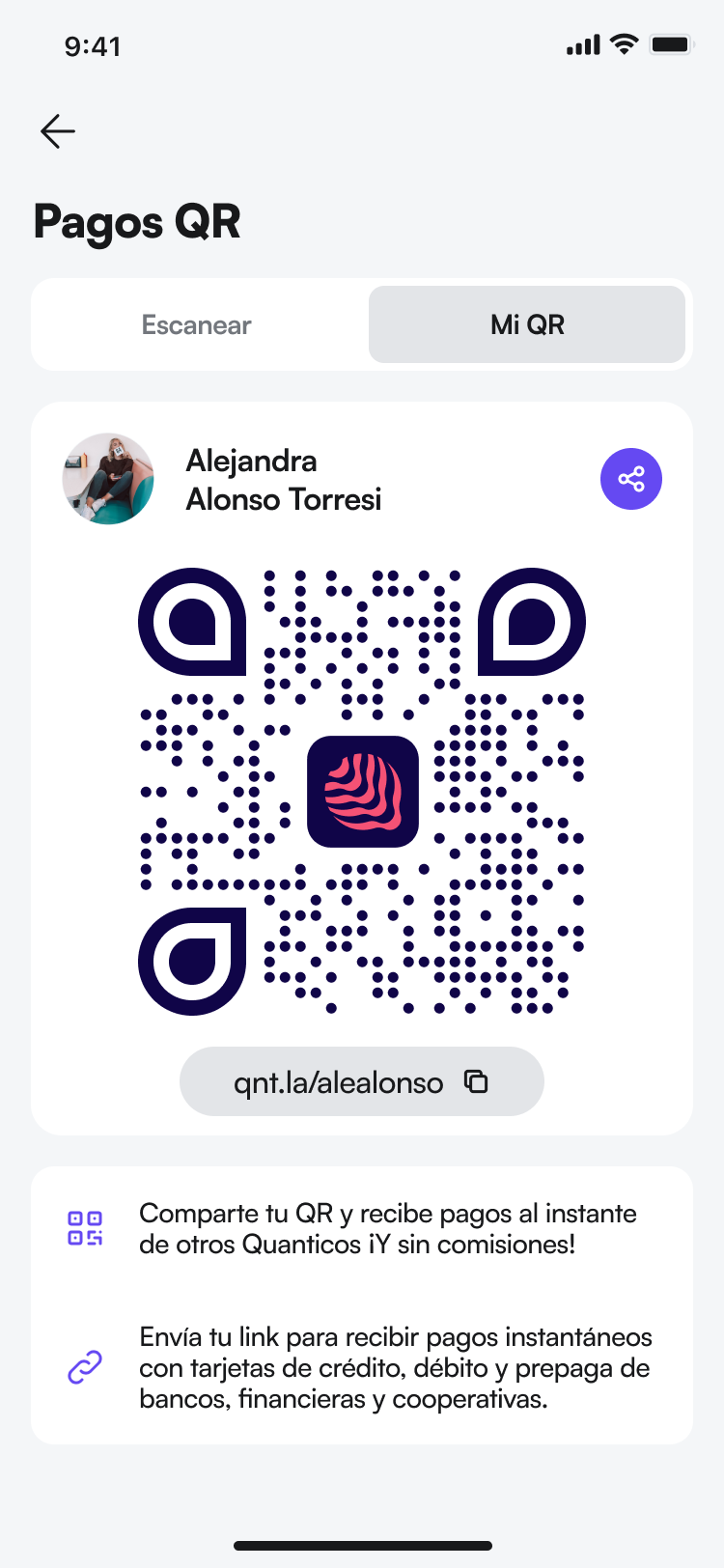
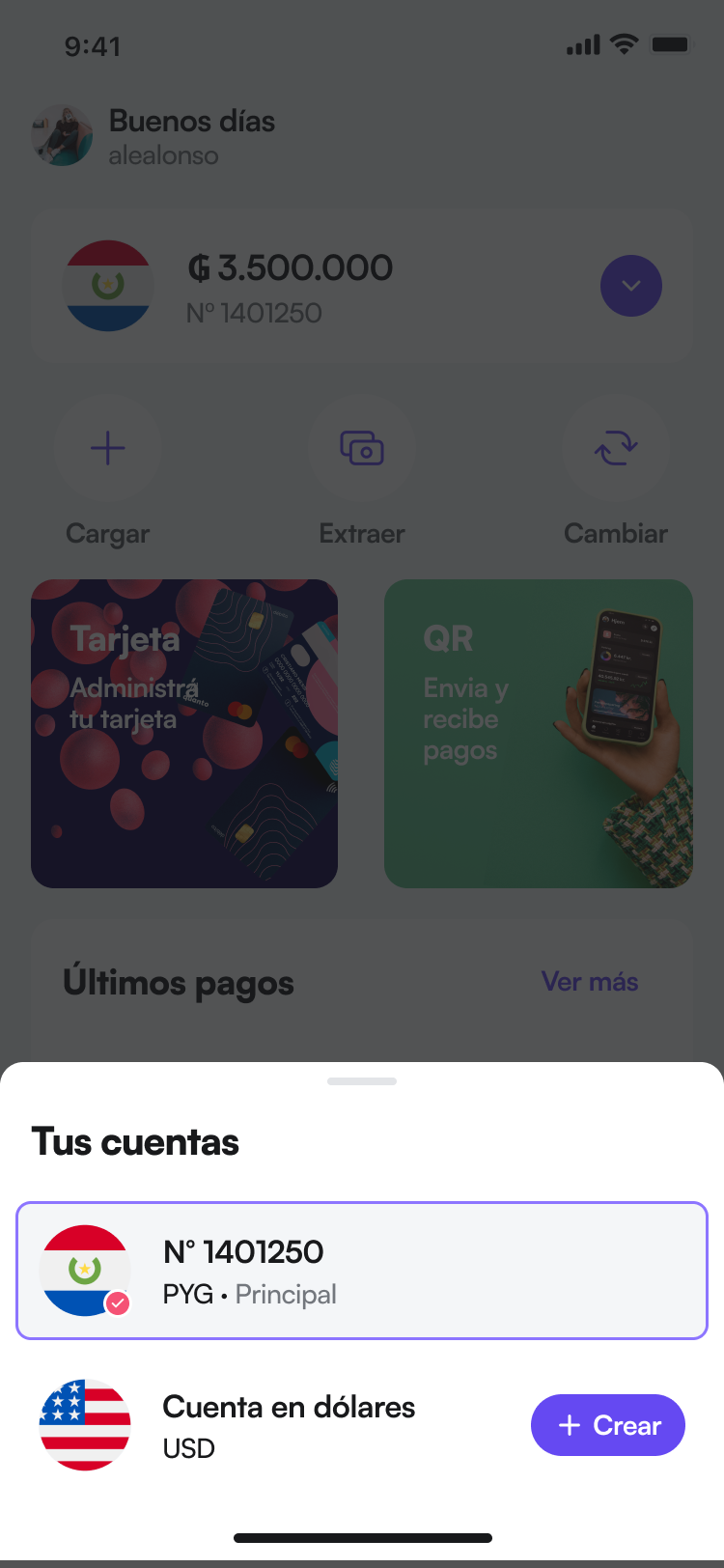
Bringing structure into the product
I joined a team of six. The product had momentum, but little structure. Earlier design work focused on shipping fast, which made sense at the time, but it left the product without a stable foundation.
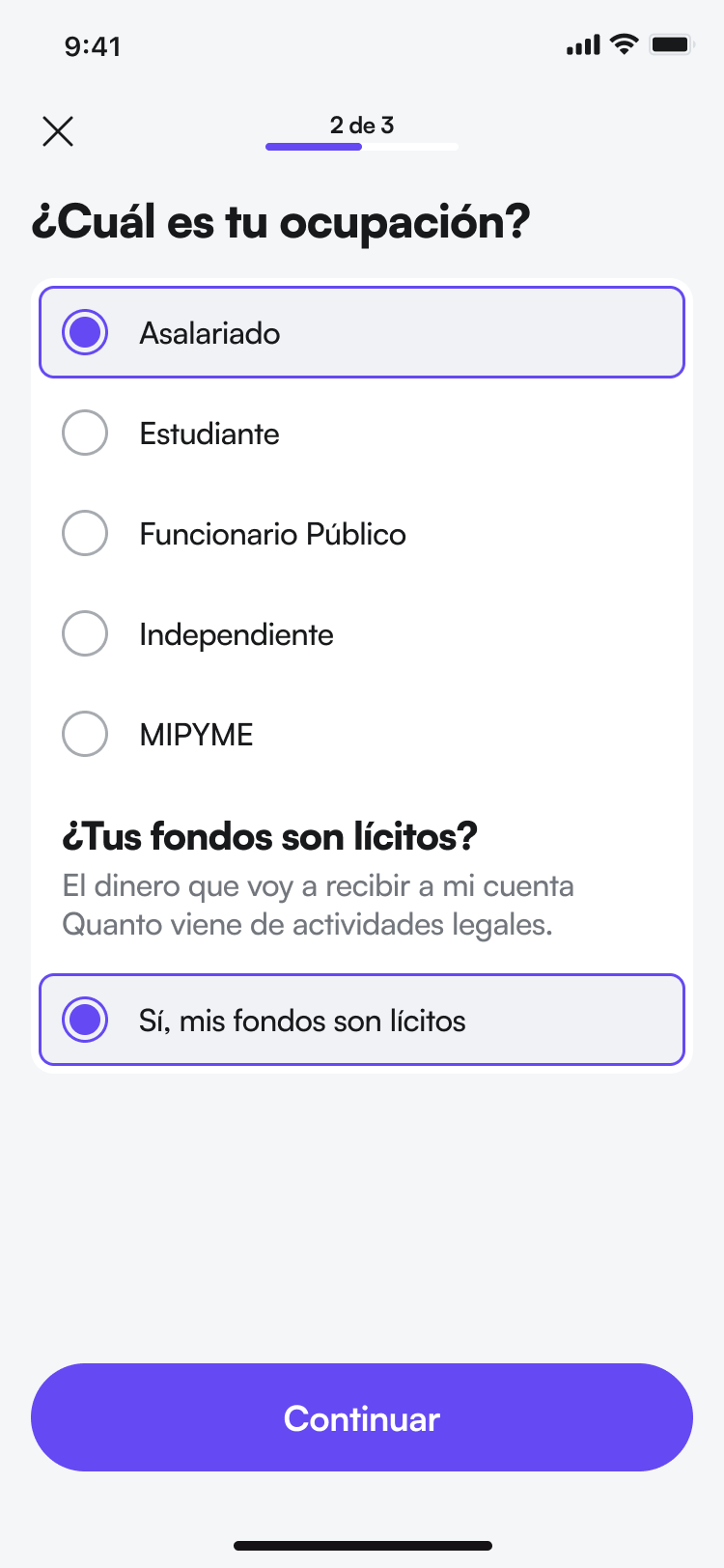
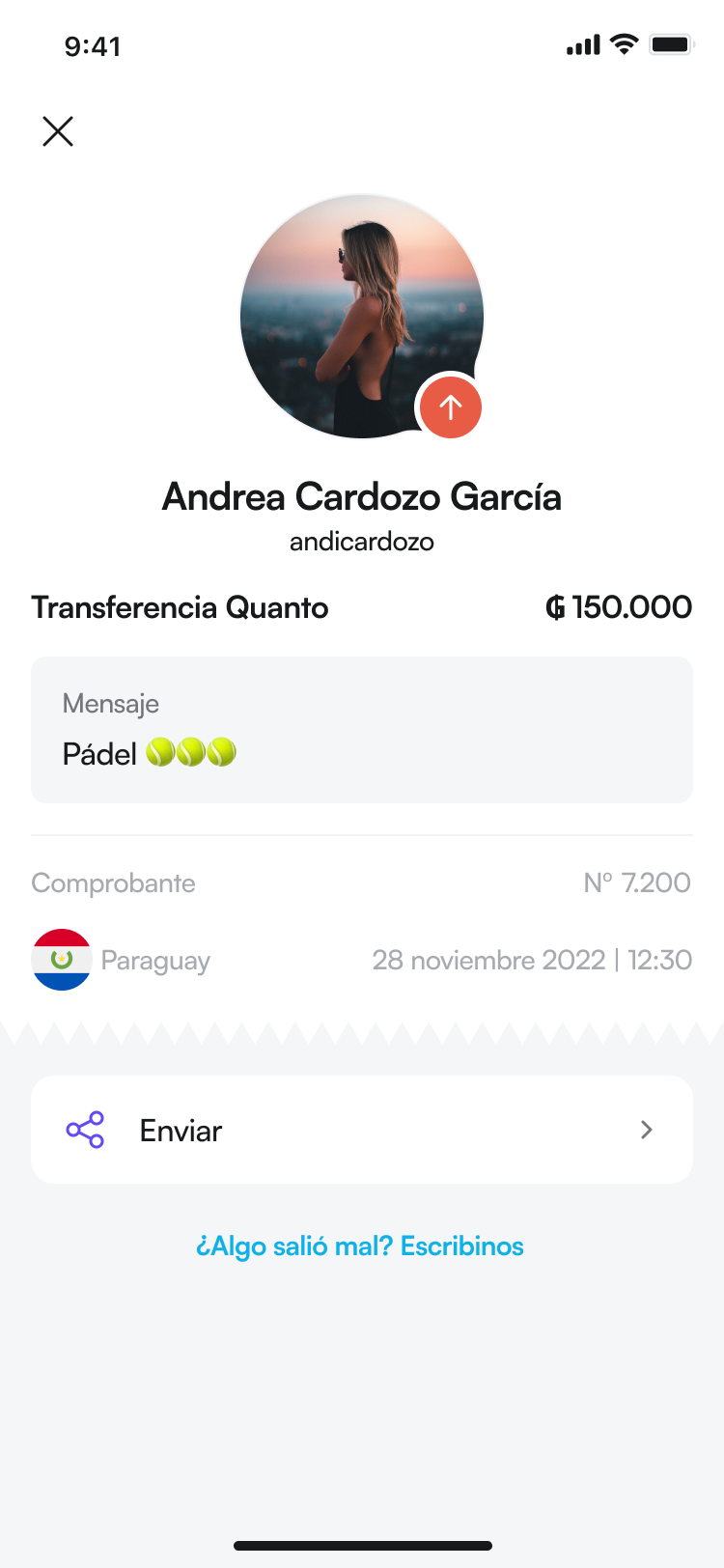
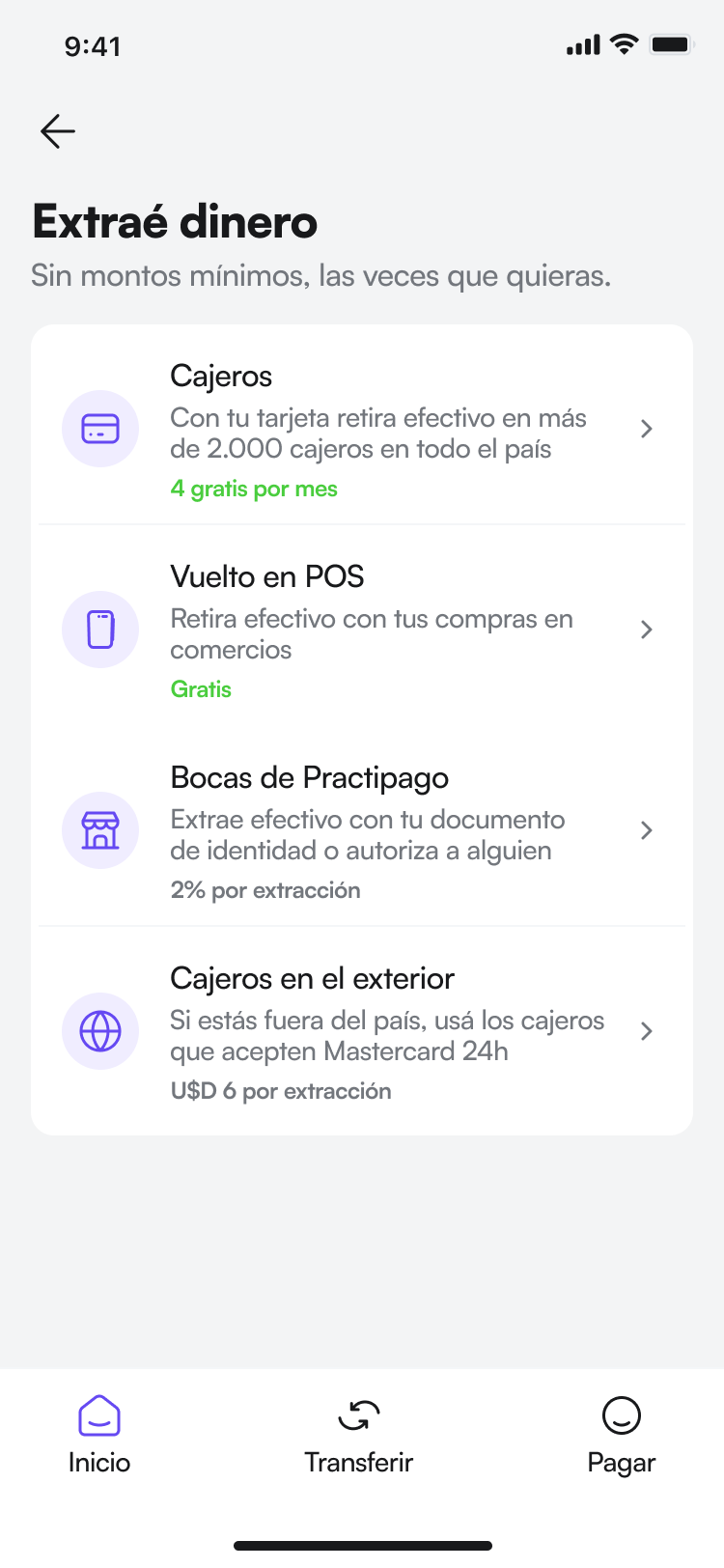
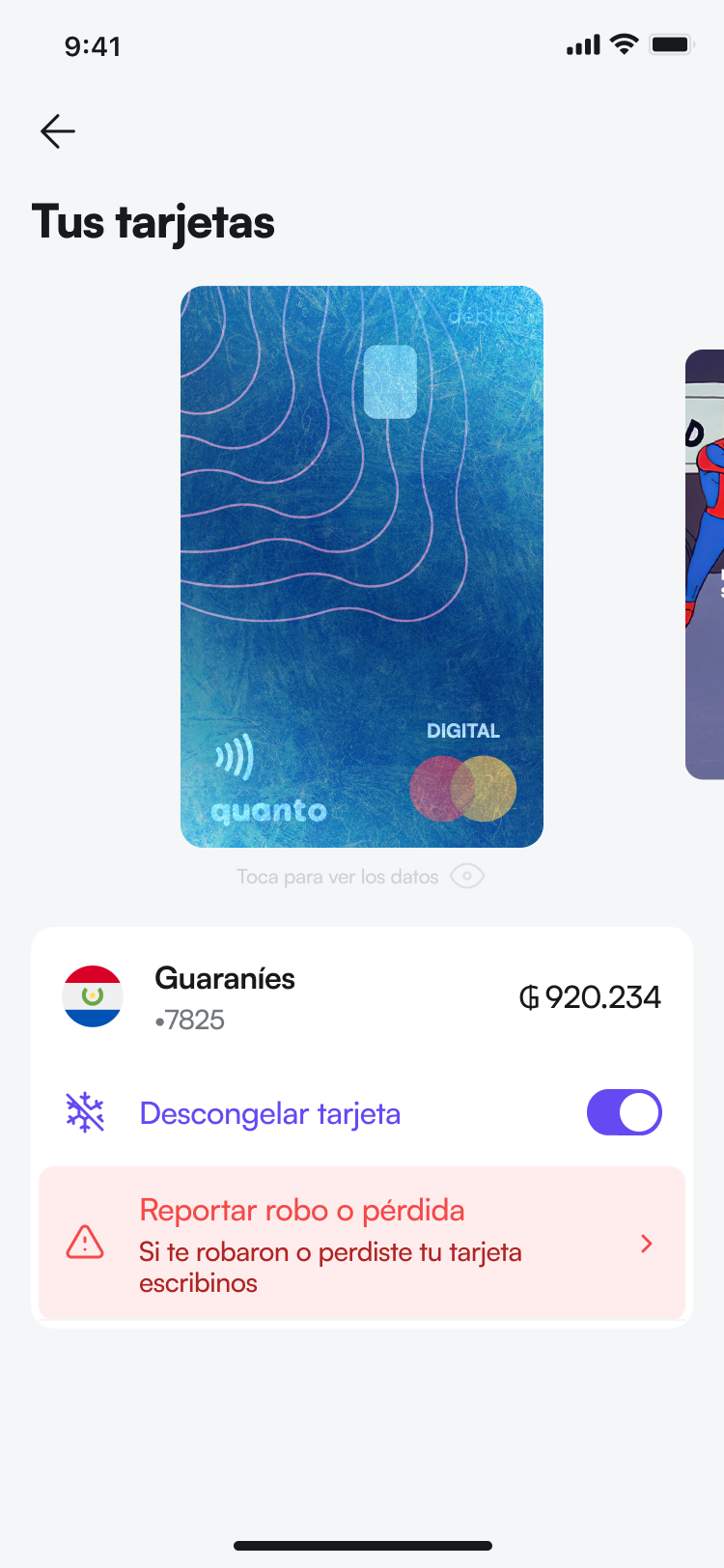
I worked directly with the CEO to align priorities and define what came next. Instead of designing isolated screens, I organized the product around its core flows: payments, transfers, and account management. That made the experience more consistent and easier to build on.
I also introduced a basic design system. Not as a final artifact, but as a shared language that reduced ambiguity and kept the team from revisiting the same decisions.
Impact on the team
With a clearer structure in place, collaboration became smoother. The frontend developer and I built a tight workflow where ideas could move from concept to implementation without friction. Having shared references and consistent patterns made communication almost effortless.
Design decisions became easier to explain, and engineering decisions became easier to anticipate.
Outcome
Quanto closed before the product launched. During that period, the team went from scattered priorities to a coherent direction. The structure we put in place made the product easier to navigate, easier to reason about, and easier to extend without stalling on every new decision.